Our Core Competencies

Coating

Choosing the right coating for your component is essential.
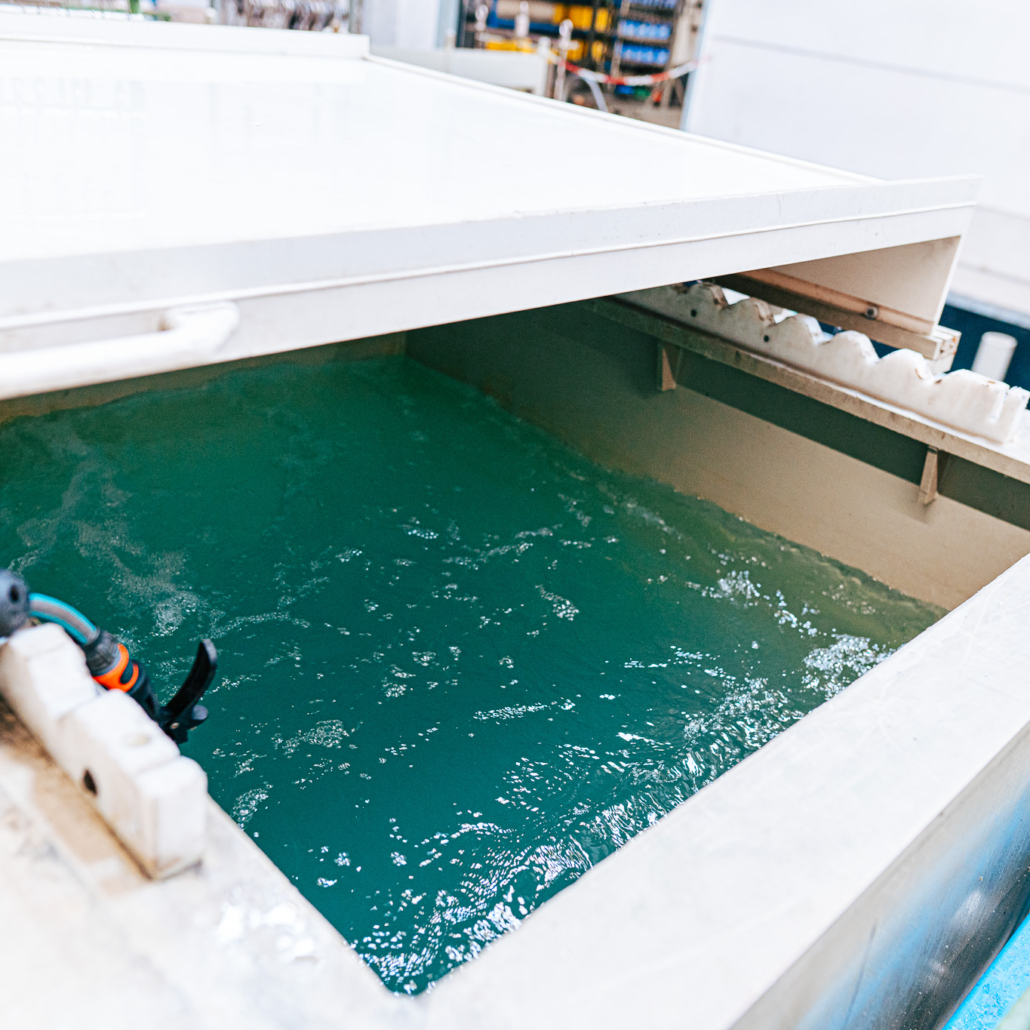
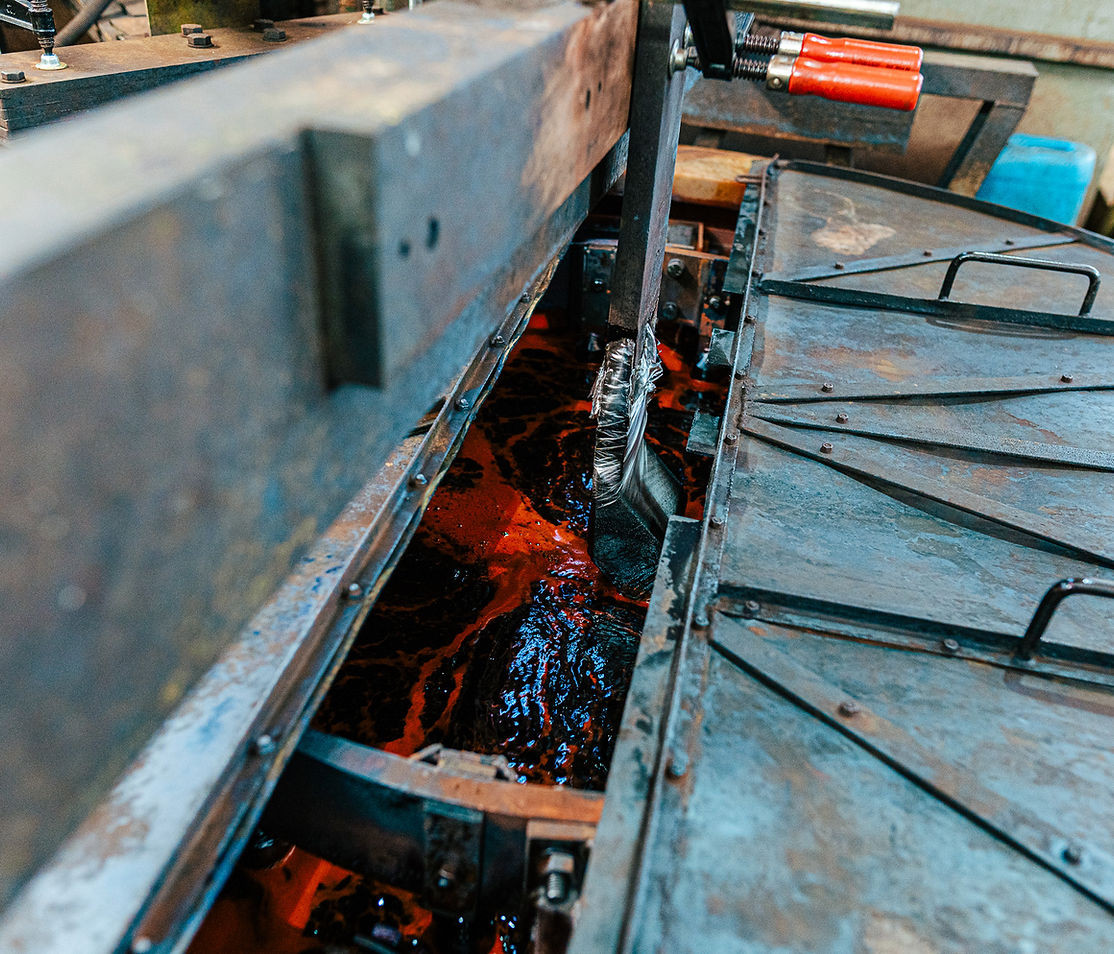
With over 20 hard chrome baths – including one of the largest in Europe, holding 56,500 liters of electrolyte – and facilities for chemical nickel plating with a total capacity of 16,000 liters, we are able to tailor our services precisely to your individual requirements.

Electroless Nickel Plating

The electroless nickel process is used to apply highly corrosion resistant plating with a phosphorus content of 9–13% phosphorus. Combined with the right pre-treatment, electroless nickel plating delivers finishes on steel, alloys, non-ferrous metals, and aluminum of highest quality.
The areas of application for components with this type of coating range from mechanical engineering and mining to the food industry as well as the paper and packaging industry.
In contrast to electroplated coatings, this process stands out for its even layer thickness and exceptional corrosion protection.

Hard Chrome Plating

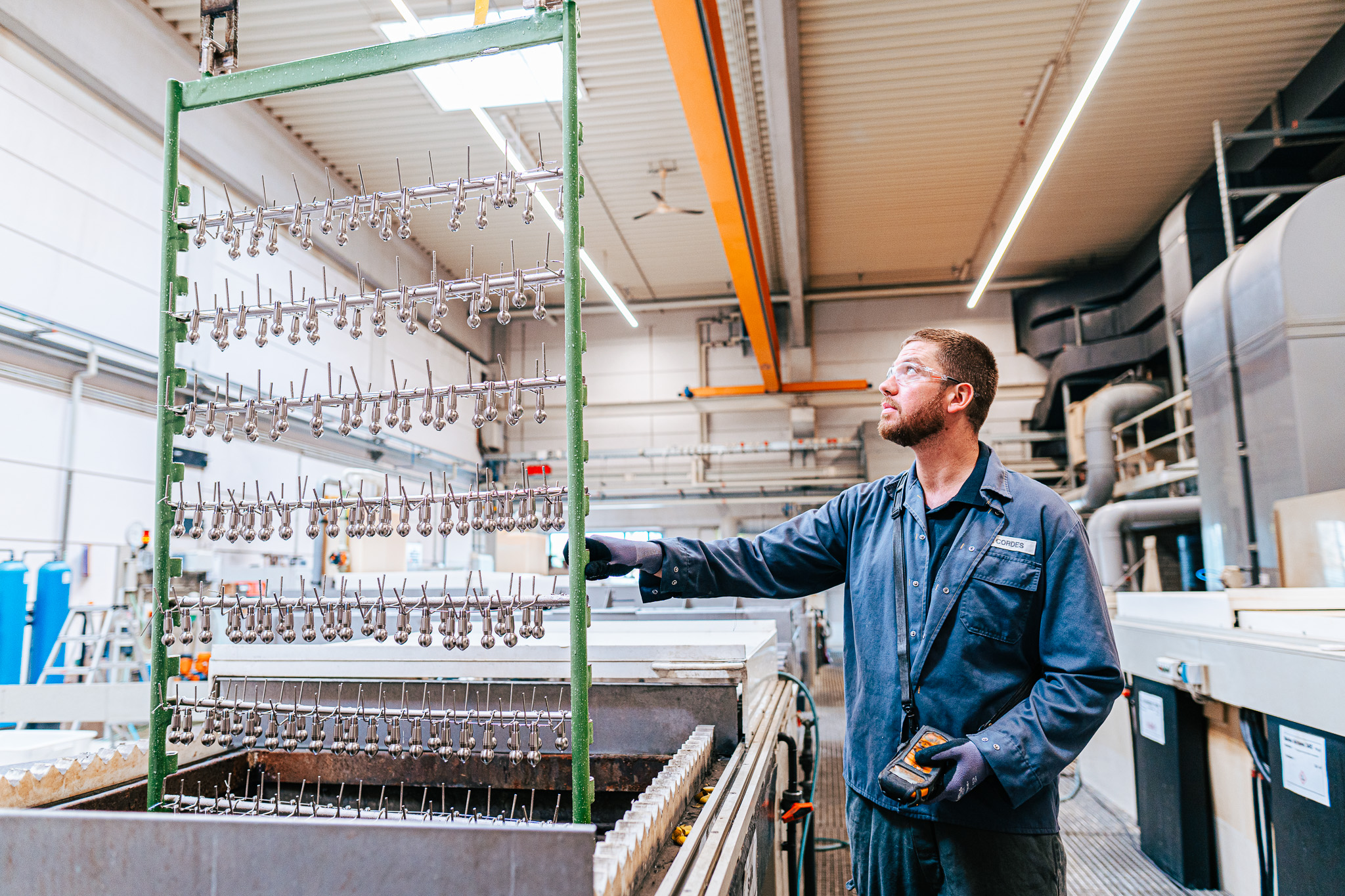
A layer of hard chrome is applied to ferrous materials, aluminum, stainless steel, copper, or brass by means of an electrolytic process. Hard chrome-plated parts are characterized by their exceptional wear resistance and hardness, strong corrosion protection across various environments, and an extremely low friction coefficient. Additionally, this method promises high resistance to temperature and tarnishing, excellent polishability, and minimal adhesion.

We use a variety of processes to get the very best out of your workpiece. Please do not hesitate to consult our experts to find out more.

PTFE Coatings in Hard Chrome and Aluminum

We incorporate bonded Teflon particles into the defined structure of chrome surfaces in order to achieve unique tribological properties for the materials.

These features include a low coefficient of friction, high durability, a wide operating temperature range (-240°C to +250°C), and outstanding thermal conductivity, amongst others.
In addition to incorporating PTFE, we also provide an alternative solution using boron nitride.

Selectron

The Selectron process, also known as tampon or brush electroplating, is a coating technique that applies metal ions from an electrolyte directly to a workpiece surface. Unlike conventional bath electroplating, the workpiece is not immersed in a galvanic bath. Instead, this method uses a tampon or brush soaked with electrolyte containing the metal ions.

This process stands out for its ability to apply coatings to specific areas, making it ideal for repairing damage on already installed components.

Heat Treatments in Various Furnaces

Through targeted dehydrogenation, we specifically remove hydrogen from the coating and base material to prevent brittleness.
Tempering is a heat treatment process used to enhance hardness, strength, and to reduce internal stresses within the coating.

Mechanical Processing

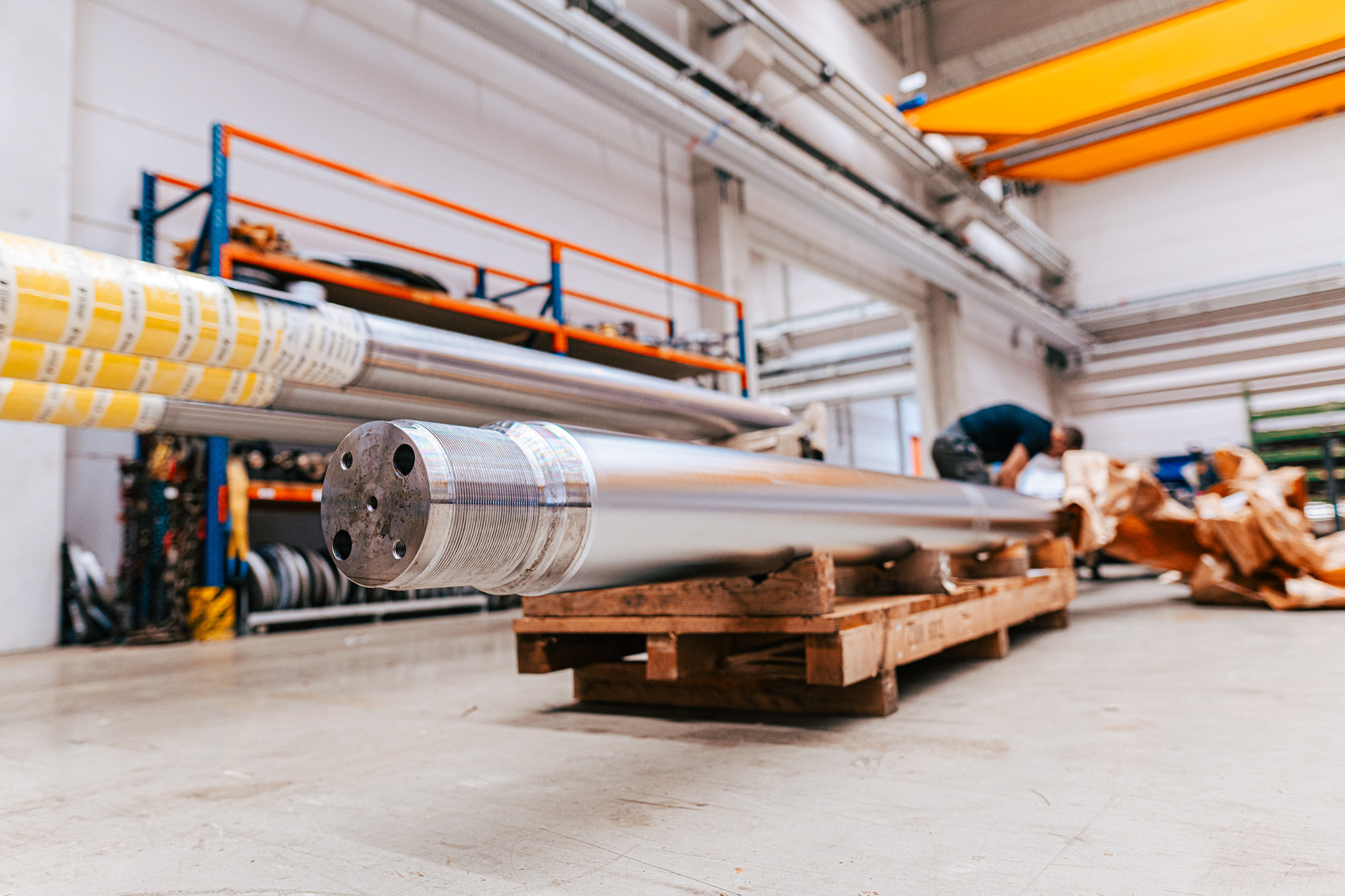
A flawless surface finish makes all the difference.
Our expert pre- and post-machining processes add an extra layer of shine to your component.
Designed to meet the individual tolerances of each workpiece, our various surface finishes ensure that your components shine and impress with unmatched precision.

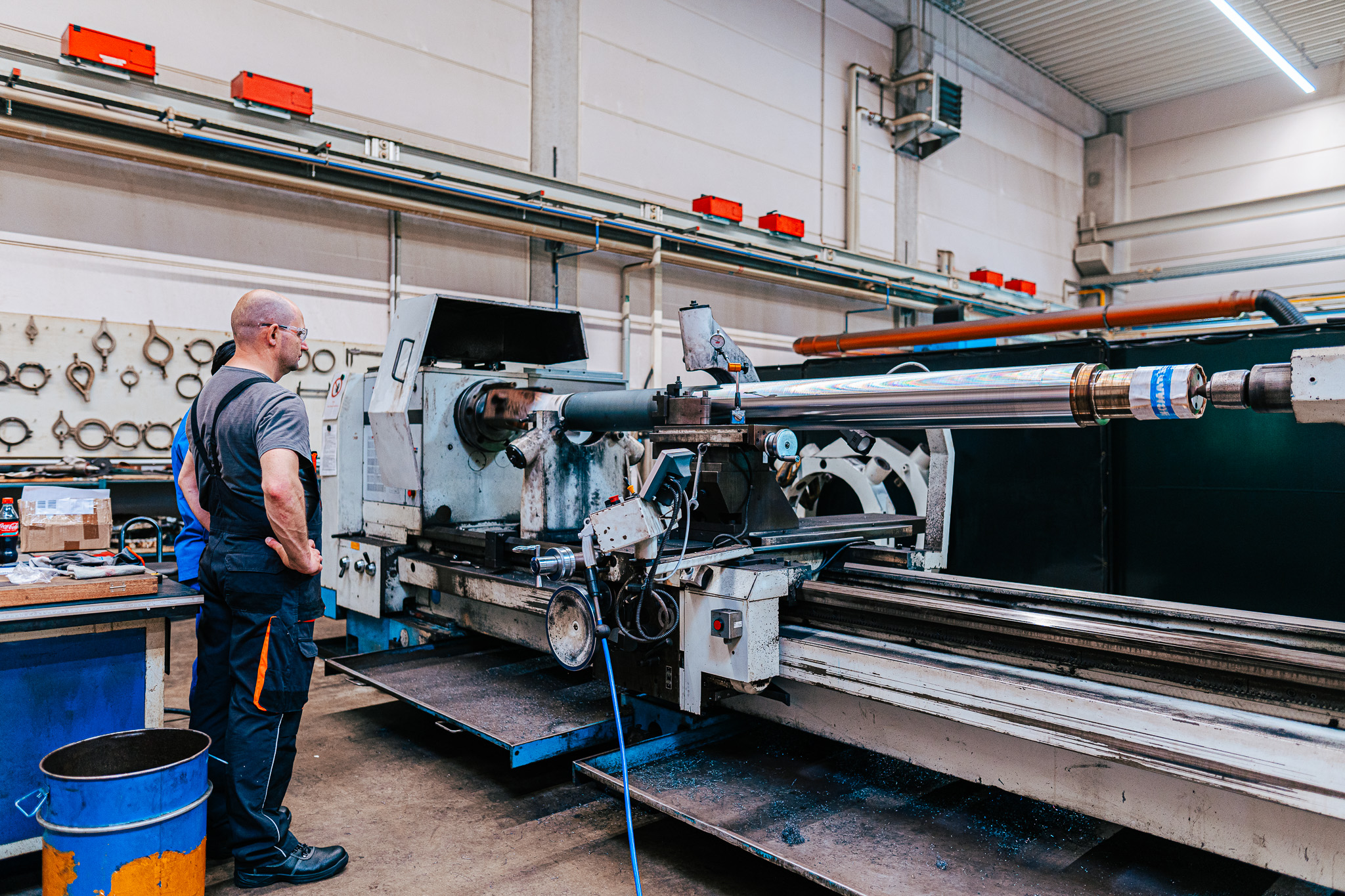
Turning

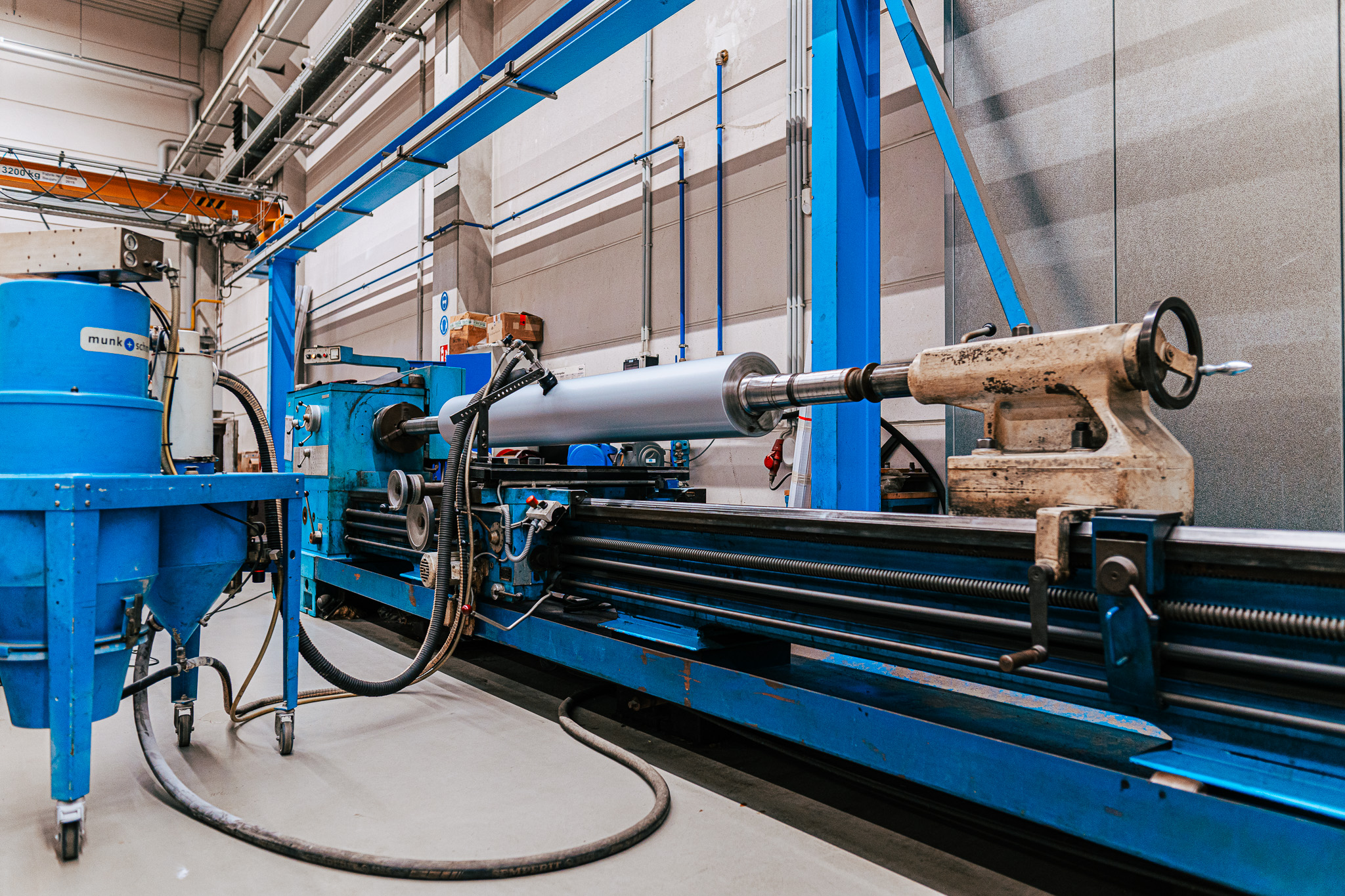
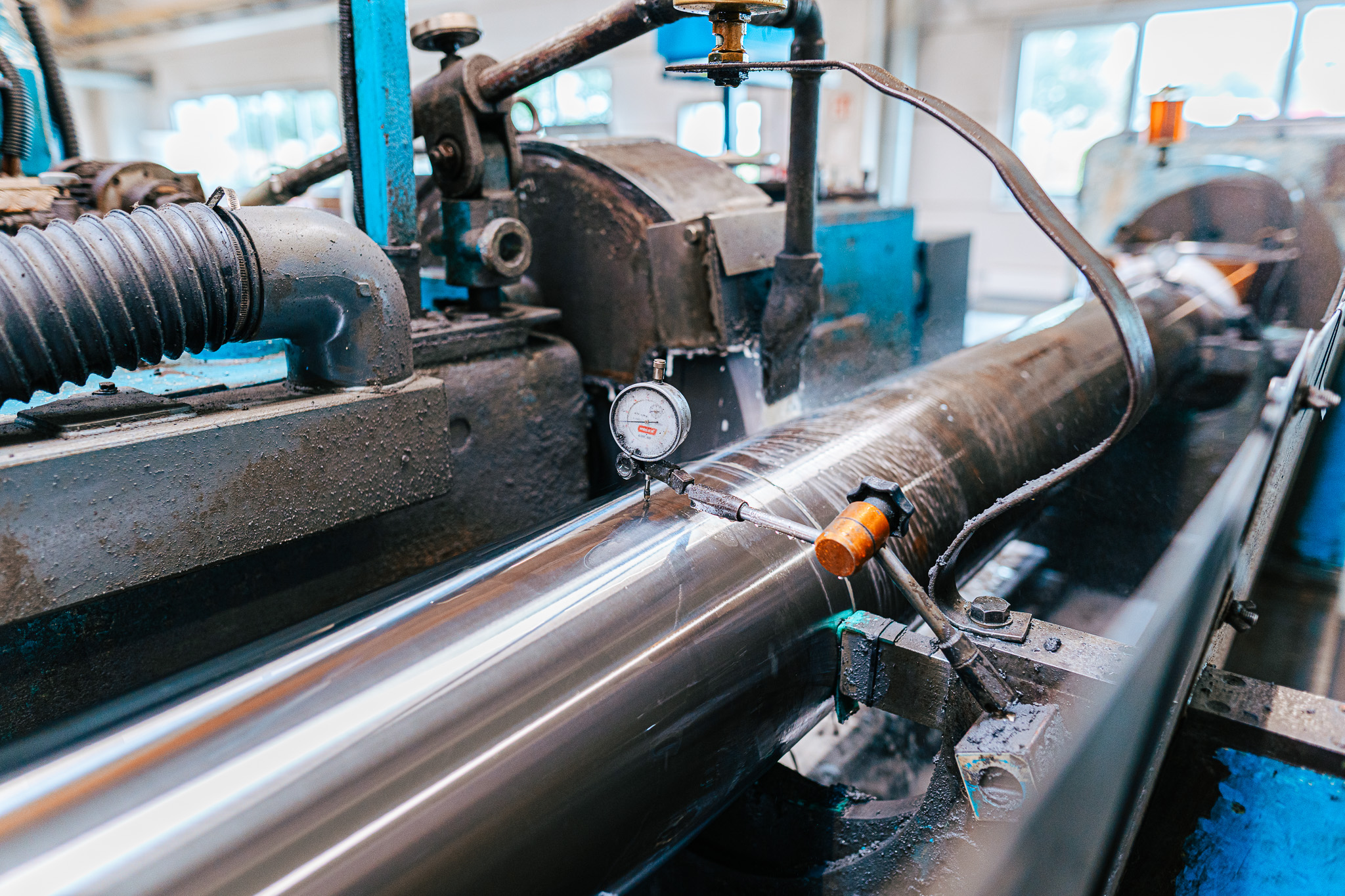
With our turning process, we craft precise cylindrical or conical parts. Turning is used when the shape of a workpiece needs to be modified.

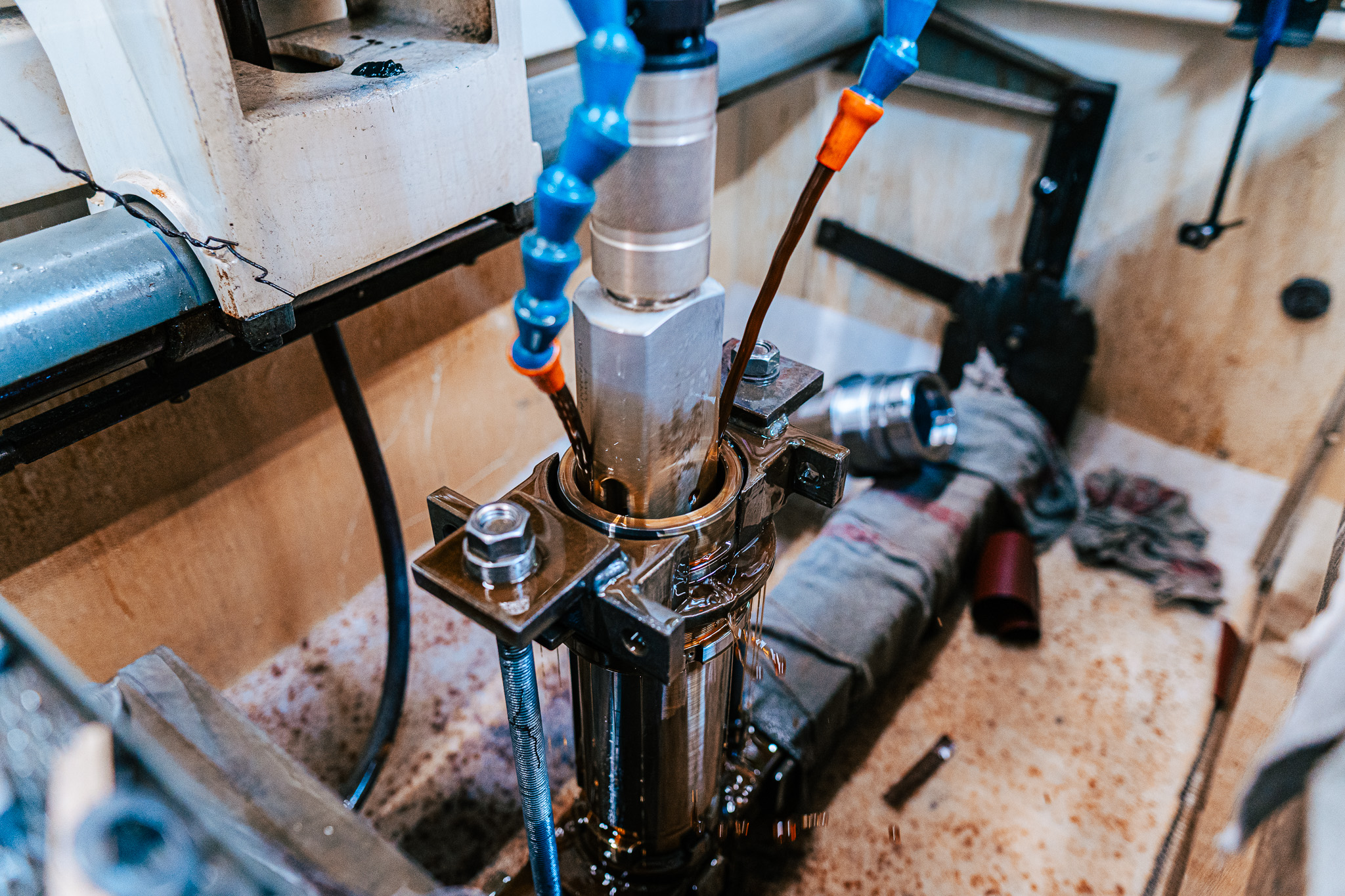
Honing

Honing uses a rotating head equipped with abrasive stones or diamonds to smooth the inner surface of bores in workpieces, improve accuracy, and achieve precise tolerances.

Polishing

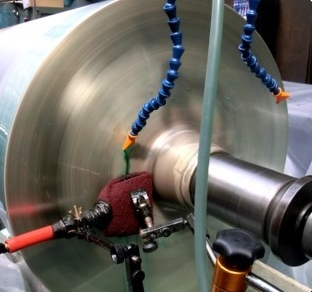
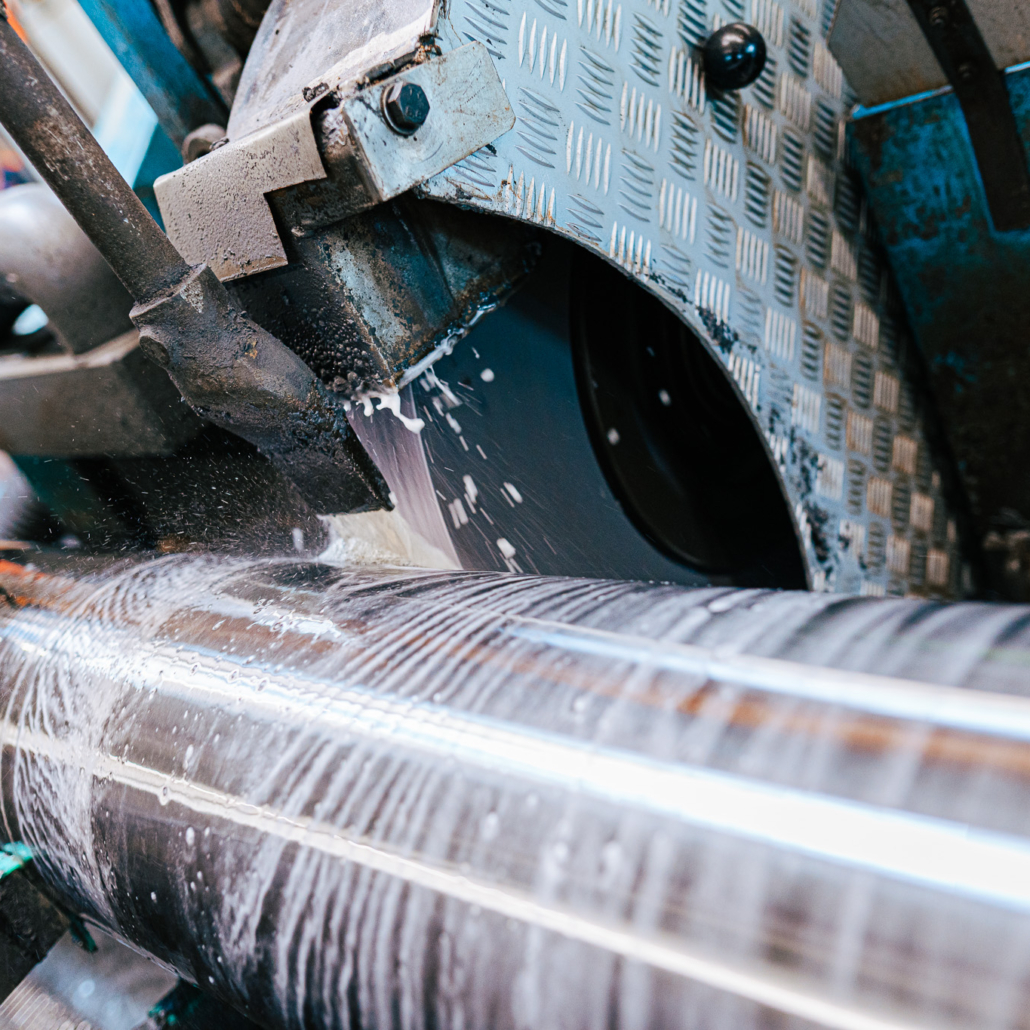
Polishing is a finishing process where abrasive grinding or chemical agents are used to smooth and shine the surface of a workpiece to a high gloss.
This processing technique is mainly intended to achieve a surface that’s both visually appealing and high in quality.

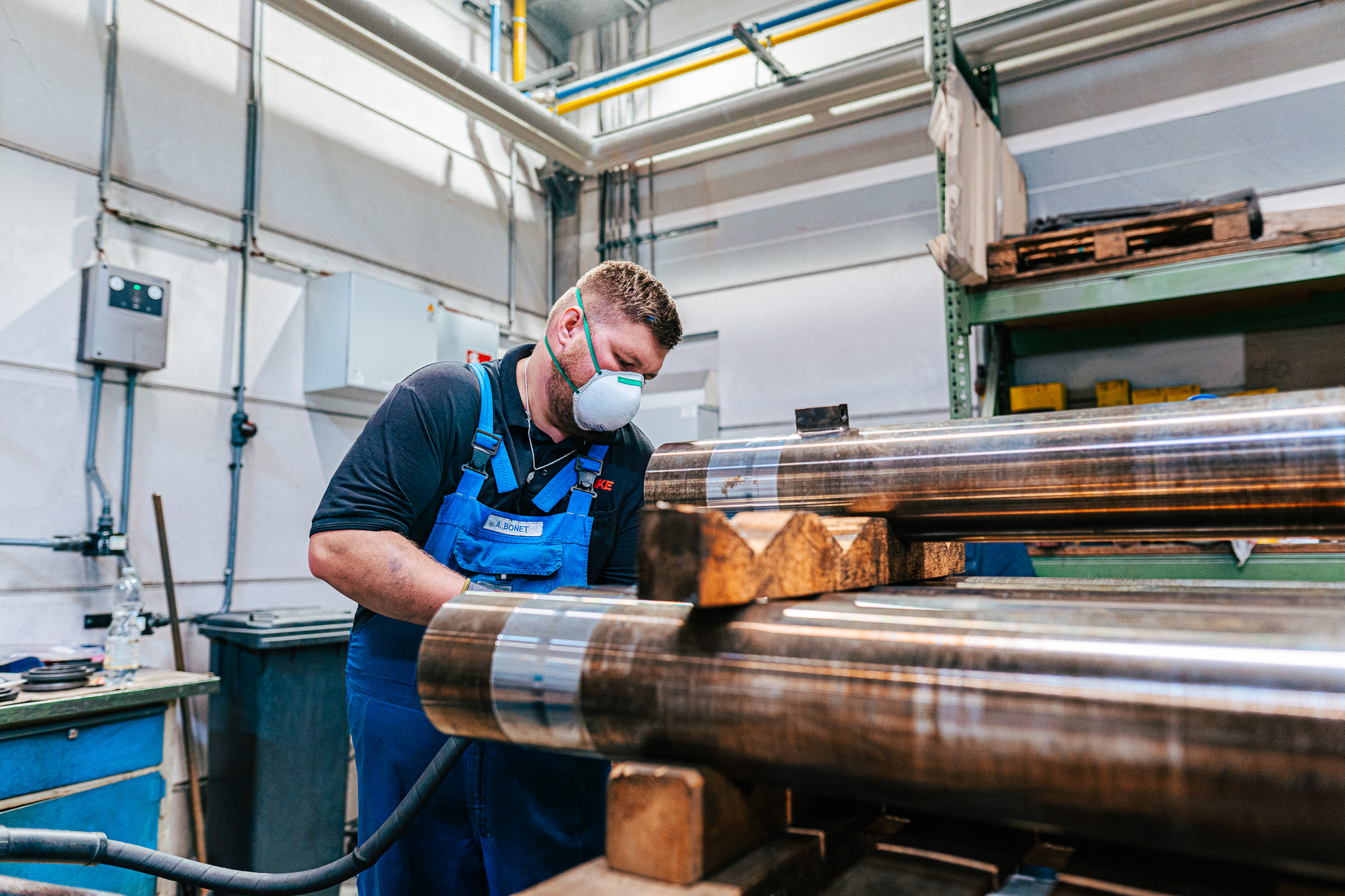
Rotary Sandblasting

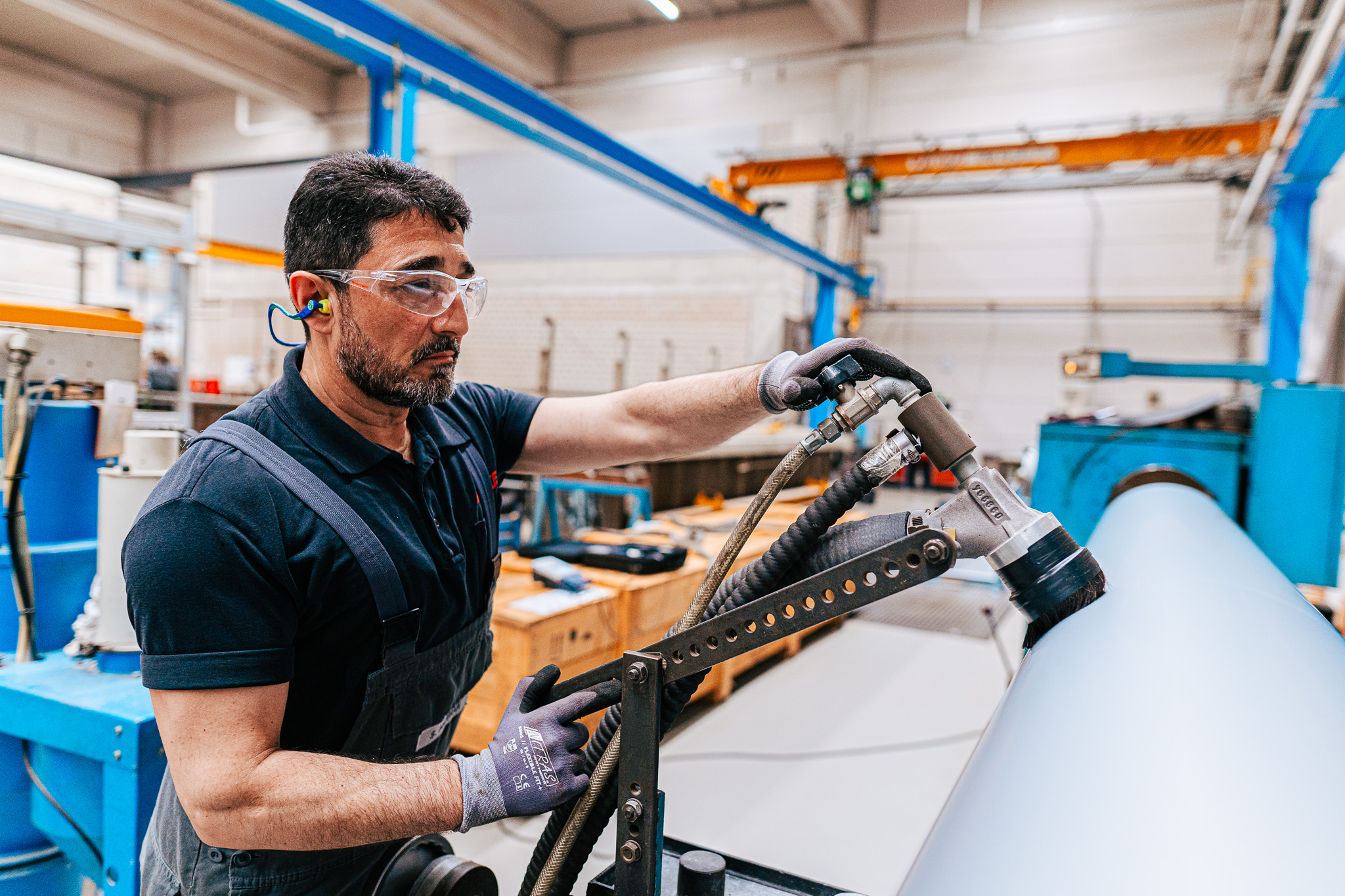
Rotary sandblasting is used to treat the surfaces of rotationally symmetric components, removing impurities, refining the texture, and improving the adhesion of coatings.

The uniform application of the blasting stream creates a smooth, consistent surface, perfectly prepared for further finishing steps like coating or polishing.

Grinding

Workpieces can be ground in a variety of ways depending on the specific requirements.
Belt grinding uses a sanding belt to finish workpiece surfaces with remarkable precision and uniform material removal. Stone grinding, on the other hand, is used to shape and refine a workpiece and give it a specific texture.

We are at your service!

Let’s sit down together and determine which of our processes best suits your components. Give us a call or schedule an appointment right away.

Contact us